
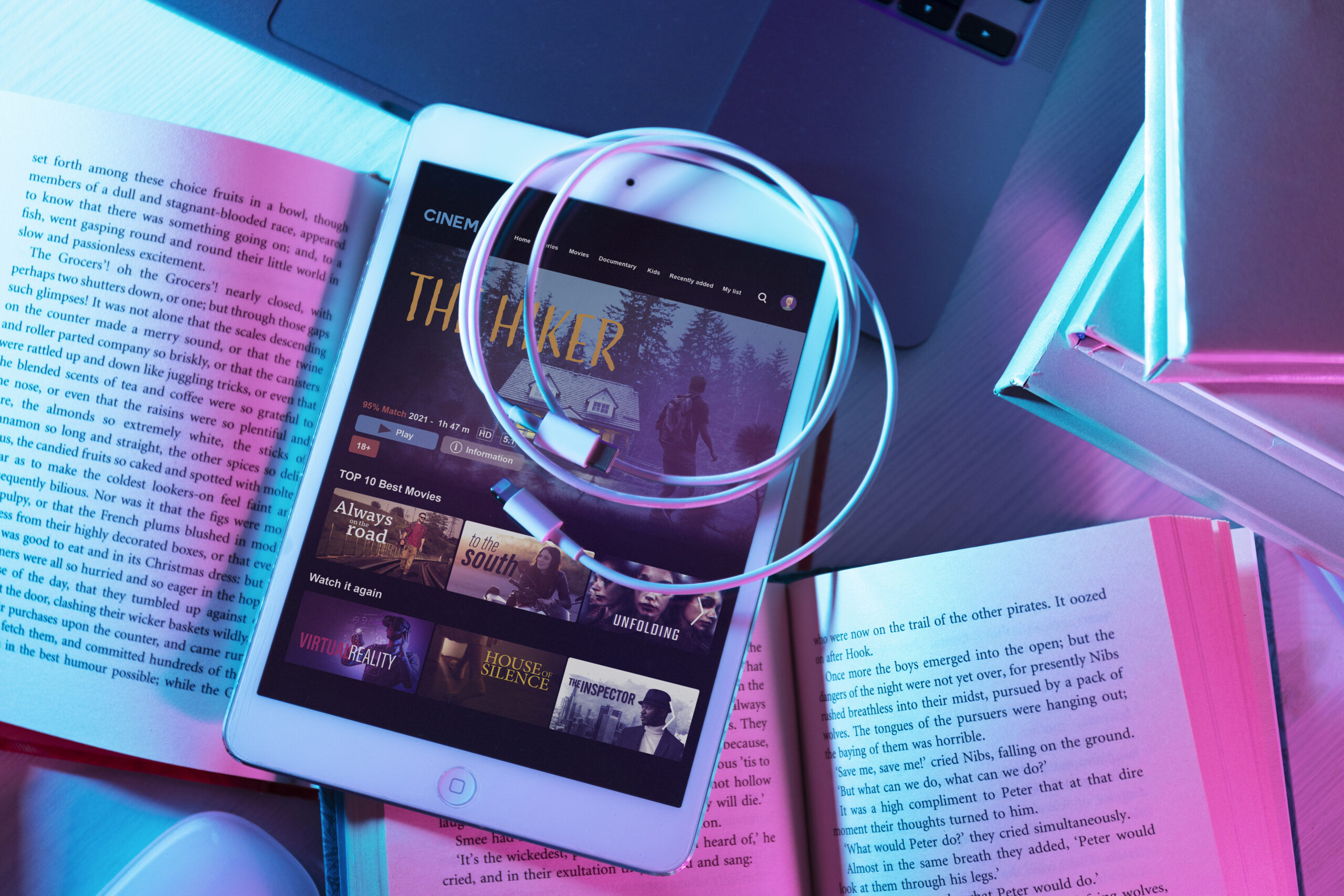
Do you remember the last time you walked into a physical bookstore? Maybe you do. But chances are, you bought your last book with a single click. You might have downloaded it to a tablet or listened to it on your commute. The way you consume stories has shifted. This isn’t just about technology. It is about a massive shift in Global Book Publishing.
The industry is no longer just about printing words on paper. It is about speed, access, and choice. Publishers are now tech companies. Authors are entrepreneurs. And you, the reader, are at the center of it all. Let’s look at how Global Book Publishing has completely rewritten the rules of digital reading.
Why is the digital shelf expanding so fast?
The numbers tell a clear story. The digital publishing market is exploding. It is expected to hit over $50 billion by 2025. Why is this happening? It is simple convenience. You carry a library in your pocket. Global Book Publishing has pivoted to meet this need.
Publishers used to rely on physical distribution. Trucks, warehouses, and shipping containers were the kings of the trade. Now, the infrastructure is digital. A server in Virginia can deliver a novel to a reader in Singapore in seconds. This shift has forced major publishing houses to rethink their strategies. They cannot just sell a product. They have to sell an experience.
You see this in the rise of e-books. They are not just PDF files anymore. They are interactive. They have adjustable fonts. They have built-in dictionaries. Global Book Publishing has invested heavily to make sure the digital page feels as good as the printed one.
Is the “Netflix model” the new normal?
Think about how you watch movies. You probably don’t buy DVDs. You subscribe to a service. This behavior has bled into reading. Subscription services are the new heavyweights. Platforms like Kindle Unlimited or Scribd have changed the game.
You pay a monthly fee. You get access to millions of titles. This model works because it lowers the risk for you. You don’t have to commit twenty dollars to a book you might hate. You can just close it and open another one.
Global Book Publishing has had to adapt to this revenue model. It is tricky. Publishers and authors get paid based on pages read, not just books sold. This changes how stories are written. Authors might write shorter chapters to keep you hooking. They need you to keep turning the virtual page. It creates a different kind of reading rhythm. It is faster. It is more binge-worthy.
Who holds the power now?
For a long time, a few big companies in New York and London held all the keys. If they didn’t like your book, you didn’t get published. That gatekeeping is gone. Self-publishing has kicked the door down.
Today, nearly 92% of books on Amazon are self-published. This is a staggering statistic. Independent authors can bypass traditional routes entirely. They can upload a manuscript today and sell it tomorrow. Global Book Publishing is now a democratized space.
This means you get more variety. Niche genres that traditional publishers ignored are now thriving. Do you like sci-fi romance set in the 1800s? You can find it. The “long tail” of the market is huge. You are not limited to what a buyer at a bookstore chain thinks you should read. You decide what is popular. Your reviews and your downloads drive the trends.
Can you hear the difference?
Reading is not just visual anymore. It is auditory. Audiobooks are the fastest-growing segment in the industry. The market is growing at over 26% every year. Smartphone usage is the main driver here. You have your phone with you everywhere. Now, you can “read” while you drive, cook, or work out.
Global Book Publishing has responded by treating audio as a premium format. It is no longer an afterthought. They hire celebrity narrators. They add sound effects. They create full-cast productions that sound like radio plays.
This shift has expanded the definition of literacy. You are consuming the same content, but the delivery is different. It opens up books to people who might struggle with reading text. It makes literature accessible to busy professionals. The publishers know this. They are launching audio-first titles that may never see a print run.
Are language barriers finally breaking?
The internet has no borders. Your reading list shouldn’t either. In the past, translating a book was expensive and slow. It took years for a bestseller in Japan to reach the US. That gap is closing.
Digital distribution makes it easier to sell translated works. Global Book Publishing is focusing on localization. This is more than just translation. It is about making a book feel native to a new culture.
You also see AI playing a role here. While human translators are still best for nuance, technology helps speed up the process. A publisher can release a book in five languages on the same day. This creates a global conversation. You can read the latest Nordic thriller at the same time as a reader in Oslo. The world feels smaller. The stories feel more connected.
What role does AI play in your choices?
You might not realize it, but algorithms shape what you read. When you finish a book on an e-reader, it suggests three more. How does it know what you like? Data.
Global Book Publishing is now a data business. They track what you buy. They track how fast you read. They track where you stop reading. This data helps them predict the next bestseller.
It also helps with marketing. You see ads for books that match your exact taste. This can be great. It helps you find your next favorite story. But it can also create an echo chamber. You might only see books that reinforce what you already like. It is important to step outside that algorithm sometimes.
Is accessibility improving for everyone?
Digital reading has been a game-changer for accessibility. innovative tools are built right into the devices. You can increase the text size. You can change the background color to reduce eye strain. You can use screen readers.
Global Book Publishing has a responsibility to make content accessible. The industry is adopting standards like EPUB 3 to ensure compatibility with assistive technologies. This includes image descriptions and better navigation.
For a reader with dyslexia or visual impairments, this is freedom. It means the library is open to everyone. It is not just about selling more books. It is about inclusion. The shift to digital has removed physical barriers that stood for centuries.
What does this mean for you?
You have more power than ever before. You have more choices. You have more formats. But you also have more noise. There are millions of books released every year. Finding the good ones can be hard.
You have to be a smart consumer. You have to look past the bestseller lists. You have to explore the indie shelves. You have to try new formats. The industry will keep changing. VR books might be next. AI-generated stories are already knocking on the door.
But the core remains the same. It is about a good story. It is about a connection between a writer and a reader. Global Book Publishing facilitates that connection. It uses technology to bridge the gap.
Conclusion
The landscape of reading has changed forever. The physical book is not dead, but it has a powerful digital partner. From the rise of audiobooks to the freedom of self-publishing, the barriers are falling. You can read what you want, when you want, and how you want.
Global Book Publishing has built a new digital infrastructure. It is faster, more inclusive, and incredibly diverse. The industry has successfully pivoted from a product-focus to a reader-focus.
So, what is the next step for you?
Looking for the best publishing services? Contact us