
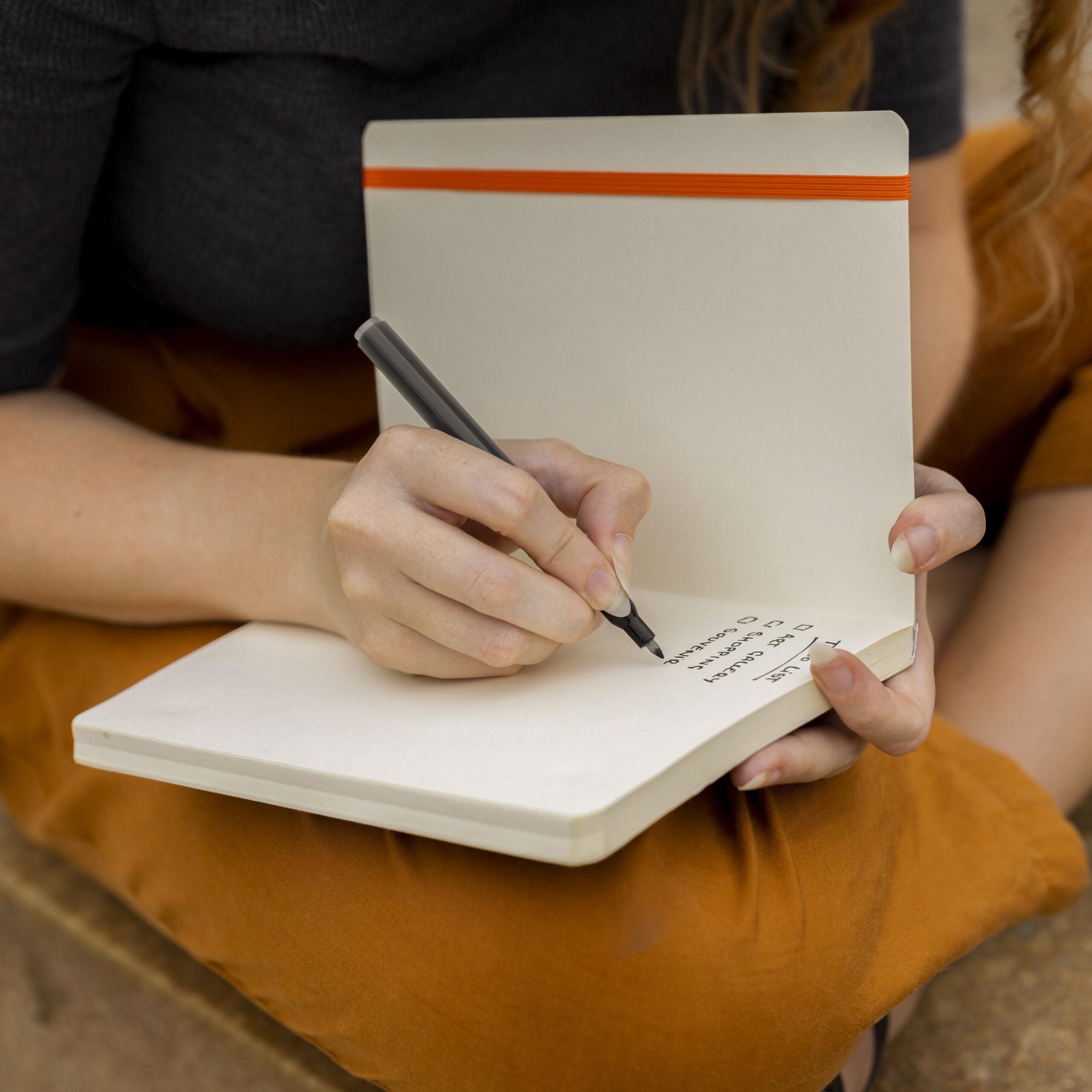
You just bought a brand new book. The spine is stiff. The pages smell like fresh ink. It is a great feeling. You want this book to stay in your collection forever. But life happens. You might lend it to a friend. You might take it to a coffee shop and leave it on a table.
How do you make sure it comes back to you? You need to put your name on it. Many people feel nervous about this. They do not want to ruin the book. They worry about the resale value. You are right to be careful. A messy signature can turn a treasure into trash.
This guide will show you how to write your name on a book the right way. You can claim your property without hurting the paper. It is all about the tools and the placement. Let us look at how you can protect your library.
Why should you label your books?
Do you remember every person who has borrowed a book from you? Probably not. Books have a habit of walking away. A small name in the corner acts as a silent reminder. It tells the borrower that the book has a home. It asks them to return it when they are done.
Ownership marks also tell a story. Think about old books in used shops. Sometimes you find a name from fifty years ago. It adds a bit of history to the object. It shows that someone loved the story before you did.
Writing your name is a way to build a personal library. It makes the collection feel like it truly belongs to you. It is a statement of pride. But you must do it with respect for the book itself.
Where is the best spot for a name?
Location is everything. You should never write on the cover. Do not write on the edges of the pages either. This looks messy and cheap. Most experts suggest using the front flyleaf. This is the blank page right after the front cover.
Some people prefer the top right corner. Others like the center of the page. The top right is usually the best choice. It is the first thing a person sees when they open the book. It stays out of the way of the main text.
You should avoid writing on the title page if possible. The title page is part of the book’s formal design. Marking it can lower the value for collectors. Keep your signature on the blank white space at the start. This is the smartest way regarding how to write your name on a book without being intrusive.
What tools are safe for paper?
Never use a thick marker. Never use a Sharpie. These pens bleed through the paper. You will see your name on the next three pages. It looks terrible and ruins the reading experience.
A simple pencil is actually a great choice. It is classic. It does not bleed. You can even erase it if you decide to sell the book later. Use a soft lead pencil so you do not have to press down hard. If you press too hard, you leave a ghost image in the paper.
If you want something permanent, use an archival ink pen. These are pens made for artists and scrapbooks. The ink is acid-free. It will not fade or eat through the paper over time. Look for a fine tip. A thin line looks much more professional than a thick one.
Are bookplates better than writing?
Have you ever seen a fancy sticker inside a book? These are called bookplates or Ex-Libris labels. They are a very old tradition. Many people think they are the best answer for how to write your name on a book.
Bookplates offer a clean look. You write your name on the sticker first. Then you peel it and stick it to the inside cover. This prevents any ink from touching the actual pages. It also looks very high-end.
However, stickers use glue. Over many decades, that glue can yellow the paper. If you use a bookplate, make sure it is acid-free. Some collectors love them, but others hate them. It is a personal choice. If you have a beautiful library, a custom bookplate can be a nice touch.
How does marking affect resale price?
This is a big question for book lovers. Does a name lower the price? Usually, the answer is yes. Most buyers want a book that looks brand new. A name in ink is a permanent change.
If the book is a common paperback, a name does not matter much. It might drop the price by a dollar or two. But if the book is a rare first edition, be very careful. A signature from a previous owner can drop the value by a lot.
If you think a book might be worth money one day, use a pencil. It is the safest method for how to write your name on a book while keeping the value high. If you must use ink, keep it very small. The smaller the mark, the less it hurts the price.
Should you include the date?
Adding a date is a fun habit. It helps you remember when you read the story. You can look back in ten years and see where you were in life. It turns the book into a personal diary.
If you add a date, put it right under your name. Keep it in the same small font. Avoid adding the location or a long message. Keep it simple. “John Smith, 2026” is plenty of information.
Too much writing makes the page look cluttered. You want the book to stay the star of the show. Your name is just a small note of ownership.
Can you remove a name later?
What if you buy a used book with a name in it? Or what if you want to sell yours? If the name is in pencil, a high-quality eraser will work. Go slow so you do not tear the paper.
If the name is in ink, it is much harder. Some people use white-out, but that looks worse than the ink. It is usually better to leave the name as it is. Trying to hide it often causes more damage.
This is why learning how to write your name on a book correctly is so important. You are making a permanent choice. Think about the future of the book before you touch the pen to the page.
How do you handle gift inscriptions?
Sometimes you give a book as a gift. You want to write a nice note. Where does that go? The same rules apply. Use the front flyleaf.
Keep your note brief. Use a good pen. Do not use colors like red or green that might look loud. A nice black or blue archival pen is best. A gift note is a lovely thing. It makes the book a keepsake. Just make sure the writing is neat and easy to read.
Is there a digital alternative?
Some people use digital stamps or apps to track their library. This is a great way to avoid marking the paper at all. You can scan your books into an app. This keeps a record of what you own.
But a digital list does not help if you leave the book on a bus. There is still a place for physical marks. If you are very worried about damage, you can use small embossers. An embosser presses your name into the paper without using ink. It creates a raised texture. It is very hard to see unless you look closely. It is a very classy way to mark your books.
What is the best overall advice?
The best advice is to be consistent. Pick one method and stick to it. Use the same pen and the same spot for every book you own. This creates a sense of order in your library.
Think of your books as a long-term investment. Treat them with care. When you learn how to write your name on a book, you are becoming a guardian of that book. You own it now, but one day someone else might.
Make sure they can still enjoy the book as much as you did. Use small, neat writing. Choose your tools wisely. Your library will look great and stay valuable for a long time.
Looking for the best publishing services? Contact us